Beyond Mihidana & Sitabhog: Bardhaman’s Hidden Food Stories | Tiyasa Koner
Beyond Mihidana & Sitabhog: Bardhaman’s Hidden Food Stories

Introduction
Just before dawn in the calm Bardhaman by lane, Bulu-da, an elderly vendor, lights his kerosene stovetop as the aroma of roasted rice from his freshly-prepared 'Chit-ruti', a rare, crunchy puffed snack that has been a staple in his family for centuries, fills the air. Locals slowly arrive with both their eyes barely open and their hands frozen waiting for their hot paper cone. By sunrise, all of the Chit-ruti will be gone, and most tourists will not know it existed until all the Chit-ruti has been sold out.
Bardhaman’s Street Food Gems
The Rise of Jhal Muri and Its Twists

Forgotten Puffed Snacks Like Tel Pitha

Tel Pitha, a crispy puffed rice cake that is deep-fried in sesame oil, represents a time-honored food value that is slowly fading in the culture of the state of Bangladesh. This recipe originated during the 1940's by a family living in Bardhaman, and today, very few families continue to keep this recipe alive.
Preparing at Home:
- While frying these pithas, sesame oil is used to impart an authentic, nutty aroma.
- Moistening the hands with water helps prevent the pithas from crumbling
- For the best taste and comfort, always eat these when they are freshly prepared hot on a chilly winter night.
Tips from Mini:
- Use locally made puffed rice for the best taste.
- To add sweetness to the pithas, jaggery can be incorporated.
- Freshly cooked hot pithas are best enjoyed.
Night Market Delights: Luchi with Begnis
Every week, Bardhaman attracts nearly 10,000 people from surrounding areas to its night markets which open each evening at sunset. The most popular foods in this region are hot, deep-fried puris served with crispy, golden fried eggplant fritters.
The sounds of frying batter and sizzling oil will add a unique audio experience; when travelling to Bardhaman, do not miss this opportunity.

Home-Style Dishes You Must Try
Ghugni: Bardhaman’s Spicy Pea Curry
In nearly 80 percent of homes, ghugni is cooked at least once weekly, and there are many variations of ghugni; however, regardless of how it is cooked, all have the same soulfully simple taste.
Tip for Making Ghugni:
- Soak the yellow peas overnight.
- Cook them in water with ginger and cumin &
- Top with diced onions and coriander leaves. Image Source: Sandhya's Kitchen

Shukto: The Bitter-Sweet Family Staple
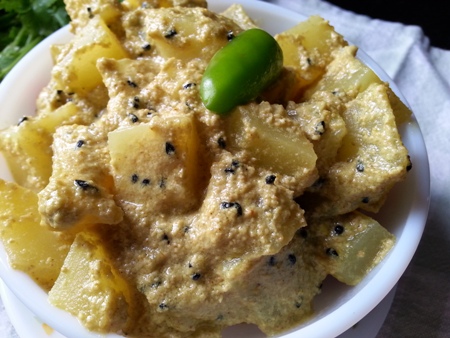
Shukto is one of the heritage dishes of the once-wealthy landowners of Bardhaman (Bardhaman) and has a unique blend of the sweet and mild bitterness of the gourd.
Step by Step Recipe:
- Blanch vegetables.
- Add the mustard mixture.
- Add milk at the end to smooth out.
Image Source: Spicy World
Posto Dishes: Beyond the Ordinary

Tip:
- Always grind poppy seeds just before use and do not store the ground seeds as a paste.
Local Ingredients That Shape Bardhaman’s Taste
 Kolmi Shak: Water Spinach Wonders

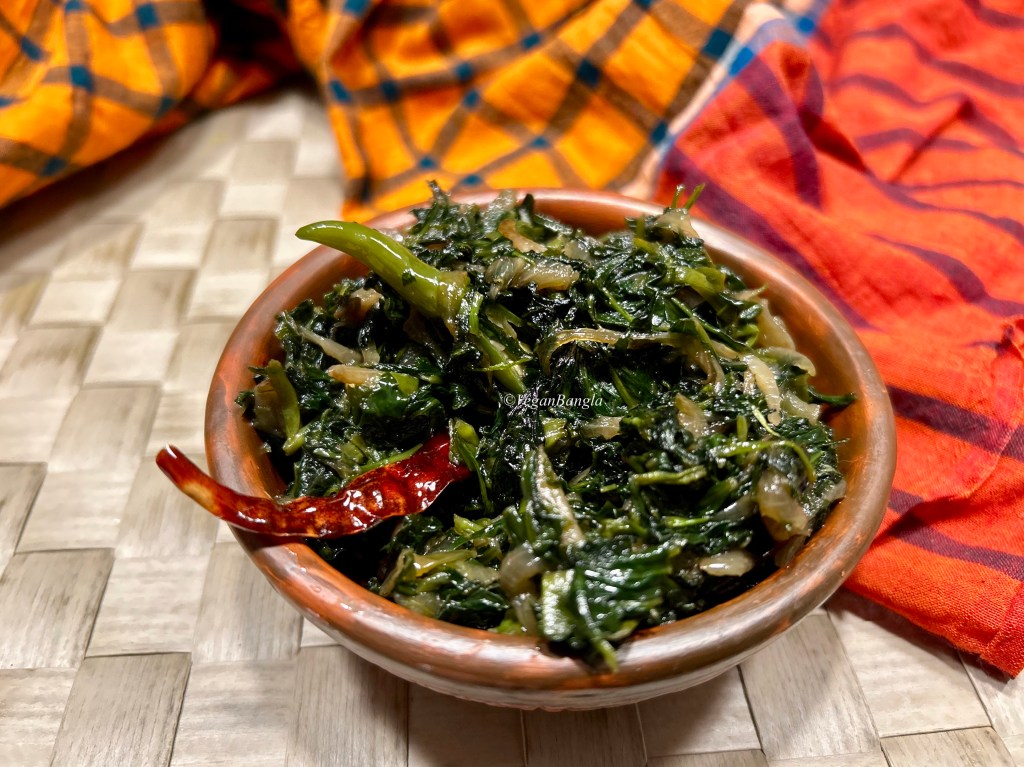
Kolmi shak, a natural food source that lives on in ponds, is used in 60% of the meals prepared by people who live in rural areas. In this way, it is an effective way to help rural populations protect themselves against the development of iron deficiency anemia.
Image Source: Vegan Bangla
Homemade Panch Phoron Magic
Panch Phoron is a five-seed spice blend integral to Bengali cuisine, which is also used in the preparation of temple food in Bardhaman.
Tips:
- Each spice should be roasted individually to extract the maximum flavour from them.
Panch Phoron is used for:
- Flavouring lentils;
- Providing depth to fish dishes;
- Storing in airtight glass containers for an extended period of time.
Jaggery From Local Fields
Winter is the Dominant Dessert in the Bardhaman District of Bengal, which produces 15% of Bengal's jaggery. Nowadays, jaggery-based vegan desserts are seeing increased sales by 30%. Young consumers want plant-based desserts.
Festivals and Food Rituals
Durga Puja Bhogs Tourists Never See
Volunteers make khichuri at the Nabakailash temple using 20 kinds of vegetables, as part of a religious tradition.
Poush Mela Street Eats

Image Source: Cookish Creation
Year-Round Temple Prasads
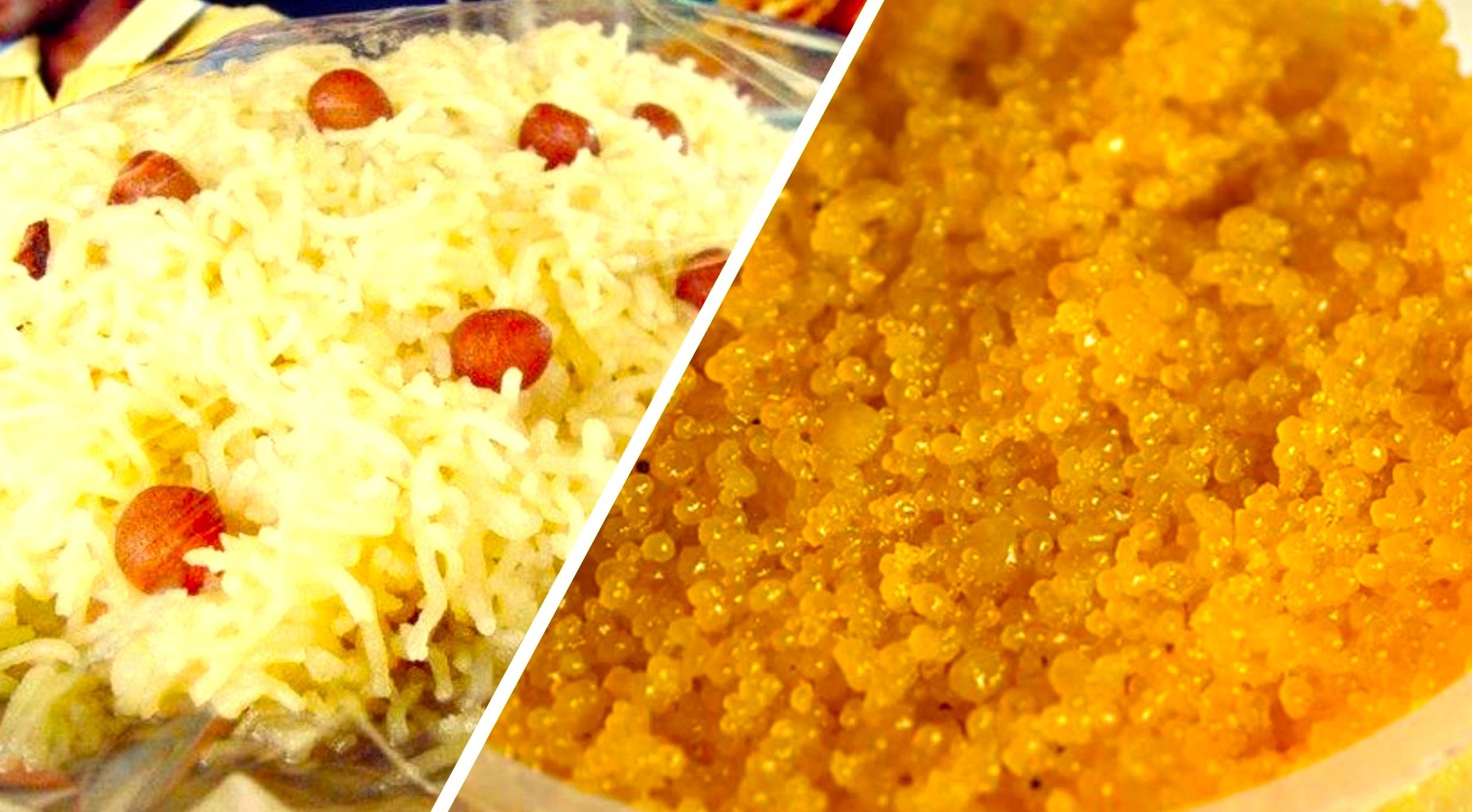
Mor Gate offers a daily cultural experience through the variety of foods available at the store, with common items including prasad, such as laddu and mildly seasoned rice (khichuri).
Additional Information to Consider:
- Taste the various kinds of local laddu.
- Enjoy prasad with a freshly fried river fish from a store near Mor Gate.
- Share with others as it is a cultural tradition in India.
Conclusion: The Bardhaman Food Trail Awaits Exploration
Bardhaman has much to offer, including Sitabhog and Mihidana, which are a part of the culinary experience. Bardhaman is home to street stall vendors, home cooks, farmers, and festival celebrations all combining to create the perfect culinary destination. For anyone who wants an authentic, natural, and exciting cooking experience; Now is the time to visit Bardhaman.
Follow these guidelines to make trip planning easier:
- Start searching for the best street stalls in the early morning for unique snack options.
- At home, learn how to cook some of the basic Bengali dishes: Ghugni, Shukto and Posto.
- Visit Bardhaman during the winter months when Festivals offer the best quality foods.
Lastly, one last word of encouragement: 2025 saw a 25% increase in food tourism activity in Bardhaman; be part of it and reward your palate.





Comments
Post a Comment